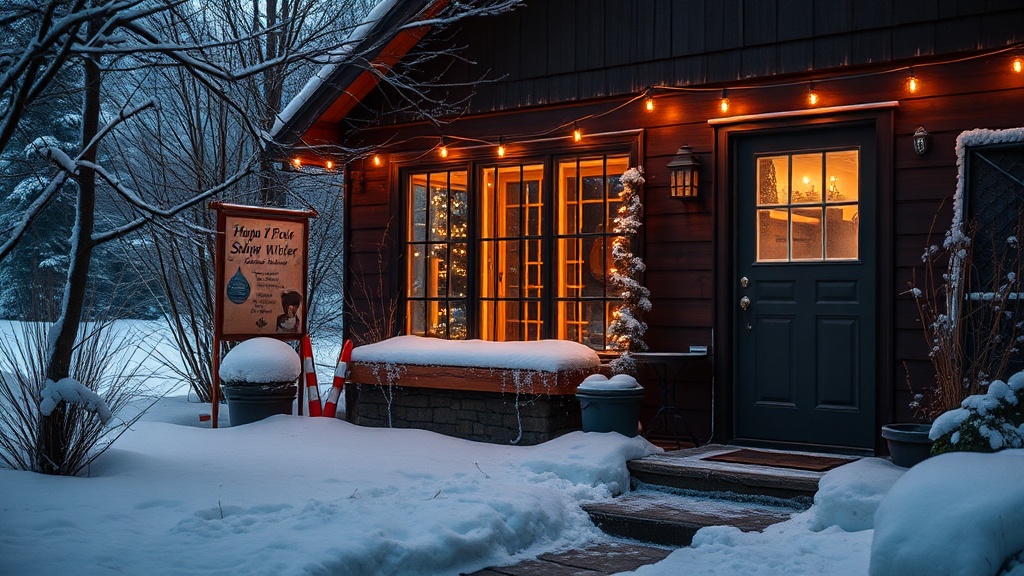
Preparing Your Home for a Springwater Winter

Are you worried about your pipes freezing or your heating bills skyrocketing during a Simcoe County cold snap? This guide covers the specific steps you need to take to winterize your property, from insulating exterior pipes to prepping your driveway for snow removal. Getting these details right now means you won't be scrambling when the first heavy snowfall hits Springwater Township.
How Do I Prevent Frozen Pipes in Ontario Winters?
The most effective way to prevent frozen pipes is to keep heat flowing through your home and insulate any exposed plumbing in unheated areas. In our part of Ontario, we see temperatures drop well below zero for weeks at a time. If you have pipes in a basement, a crawlspace, or an attached garage, they are at risk.
First, check your exterior faucets. You shouldn't just leave them running; you need to shut off the internal valve and drain the line. If you're using a garden hose, take it off the spigot entirely. A trapped bit of water in a hose can actually freeze the pipe inside your wall—it's a common mistake.
For interior pipes, consider these steps:
- Use Heat Tape: If you have pipes in a garage or utility room, wrap them in heat tape or insulating foam sleeves.
- Open Cabinet Doors: During a deep freeze, open your kitchen and bathroom cabinet doors to let warm air reach the sink pipes.
- Keep the Heat On: Even if you're heading out for a weekend, don't turn the thermostat down too low. A minimum of 15°C is a good rule of thumb.
If you have a sump pump, make sure it's clear of debris. We get plenty of meltwater during the spring, but the freeze-thaw cycles in winter can clog your drainage areas. You can find more information on maintaining residential systems via the Ontario government's home safety resources.
What Are the Best Tools for Snow Removal?
The best snow removal tool depends entirely on whether you are dealing with light powder or heavy, wet slush. In Springwater, we often get that heavy, wet snow that sticks to everything, making it much harder to move than dry, fluffy snow.
If you are clearing a sidewalk, a lightweight plastic shovel is fine. But if you're clearing a long driveway, you'll want something with more heft. I personally recommend looking at the Snow Joe electric blowers if you have a large area to clear, as they save your back from a lot of unnecessary bending.
| Tool Type | Best For... | Pro Tip |
|---|---|---|
| Lightweight Plastic Shovel | Sidewalks and walkways | Avoid using it for heavy, wet snow. |
| Metal Ergonomic Shovel | Heavy lifting and scraping | Look for a curved handle to save your spine. |
| Electric Snow Blower | Long driveways | Keep it fueled or charged before the storm hits. |
| Ice Melt (Calcium Chloride) | Driveway edges and steps | Use sparingly to avoid damaging concrete. |
Don't forget about your footwear. If you're walking to your car, those rubber-soled boots aren't just a fashion choice—they're a safety requirement. Make sure your treads aren't worn smooth, or you'll be sliding all over your porch.
How Much Does Winterizing My Home Cost?
Total costs vary wildly depending on whether you're doing the work yourself or hiring a professional for HVAC maintenance. Most basic winterization tasks, like insulating pipes or buying a new shovel, are relatively inexpensive one-time purchases. However, a professional furnace tune-up is a different story.
Here is a rough breakdown of what to expect for seasonal expenses in Ontario:
- DIY Pipe Insulation: $20 - $50 for foam sleeves and heat tape.
- Professional Furnace Inspection: $100 - $200 per visit.
- Salt/Ice Melt: $15 - $30 per bag (depending on the brand, like Ice Melt or Rock Salt).
- New Snow Blower: $400 - $1,200 depending on the power and width.
It's worth noting that spending a little more on high-quality ice melt now can save you from a much more expensive driveway repair later. Standard rock salt can actually pit and damage your concrete if used excessively. If you want to protect your property, look for calcium chloride-based products.
If you're worried about the cost of heating, check your windows. A drafty window can act like a tiny hole in your thermal envelope. You can use weatherstripping or even temporary window film kits to seal those gaps. It's a cheap way to keep the warmth inside where it belongs.
If you're looking for ways to stay updated on local issues that might affect your property or municipal services, you might want to check out my post on staying informed on Springwater Township municipal changes. It's helpful for keeping an eye on local road maintenance schedules and salt applications.
Lastly, check your outdoor lighting. The days get short very quickly in November. If your motion-sensor lights aren't working, you'll be walking through the dark and potentially on ice-covered paths. It's a small detail, but it makes a huge difference for safety.
Winter in Springwater can be tough on your house, but a little preparation goes a long way. Check your seals, insulate your pipes, and make sure your equipment is ready before the first frost arrives. It's much better to be ready than to be reacting to a crisis in the middle of a blizzard.
Steps
- 1
Inspect Exterior Seals
- 2
Check Heating Systems
- 3
Protect Outdoor Pipes
- 4
Organize Snow Removal Tools